

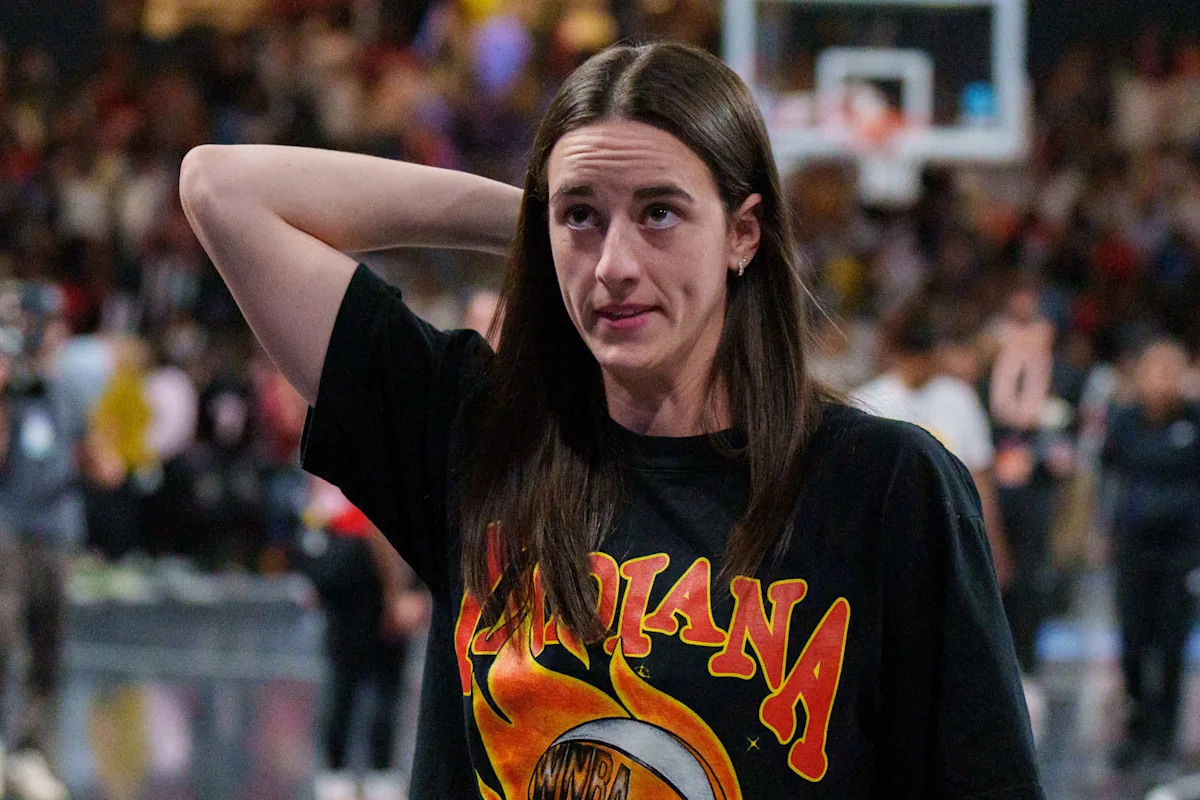
The WNBA and WNBPA (the players’ union) are currently trying to reach an agreement on a new collective bargaining agreement. Their previous collective agreement having now expired on January 9, we are in a new phase of negotiations. No more extension periods, and now we are in what we call “status quo”. Basically… nothing has changed. The only thing different now from last week is that either side can decide to initiate a work stoppage now, if they wish.
As we talked last weekendit would be far more likely for players to strike than for the WNBA to stage a lockout. There’s no point in locking out players, and it would probably only make things worse. There have been no reports yet that players are seriously considering going on strike, so now we’re just waiting…how long, no one knows.
Advertisement
If we were operating as usual, WNBA free agency would have started last Sunday. This was the initial date when teams could begin sending qualifying offers to free agents. This could have happened without the agreement of a new CBA, but it was unlikely that any players would have accepted these offers, let alone signed anything. While the league had informed teams this was going to happen, per protocol, there was also talk of a moratorium on free agency as Friday’s expiration date came and went.
By the end of the weekend, it appeared that the parties had agreed to this moratorium. This means all free agency has been halted until a deal is reached.
This makes sense, given that a large number of trades that would take place currently would be between teams and restricted free agents, and that players are trying to eliminate team-controlled negotiations in the new CBA. Currently, teams have the power to “rob” players, retain their negotiating rights and have more control over those players. The players themselves would like more free agency in their next contract.
Advertisement
It’s also not unprecedented. The NWSL’s new CBA has gone so far as to eliminate the draft, and eligible players go straight to free agency. Gamers want more autonomy over where they play.
Now, all of this considered, the time it takes to reach agreement on a new WNBA CBA is going to start to have effects on the WNBA season. The league certainly can’t proceed with free agency without a new deal, so the moratorium is the right way to go, but that doesn’t mean it makes things easier. We’re looking at an extremely condensed WNBA offseason in which we’ll have to fit in an expansion draft, 80 percent of the league trading as free agents, and a WNBA draft — not to mention a possible earlier start to training camp and the fact that many players will be participating in the FIBA World Cup qualifying tournaments in mid-March.
Funny enough, we’re also about to hit another milestone: the WNBA’s previous collective bargaining agreement was concluded on January 14, 2020. Which means we’re about to head into uncharted waters when it comes to how long it will take for the parties to agree on a new deal. Now, as we know, 2020 eventually took a turn, and the WNBA season didn’t take place until later in the summer due to the pandemic, so it didn’t matter that it took until January 14th to come to terms. But this year it will matter.
Any of the items on our offseason to-do list would be unprecedented in their own right, and even if they happened on time. A two-team expansion draft between Toronto and Portland, a huge free agency market, and a 15-team WNBA draft with a huge market for extreme talent. Putting all of this into a tiny amount of time will be… chaotic.
