

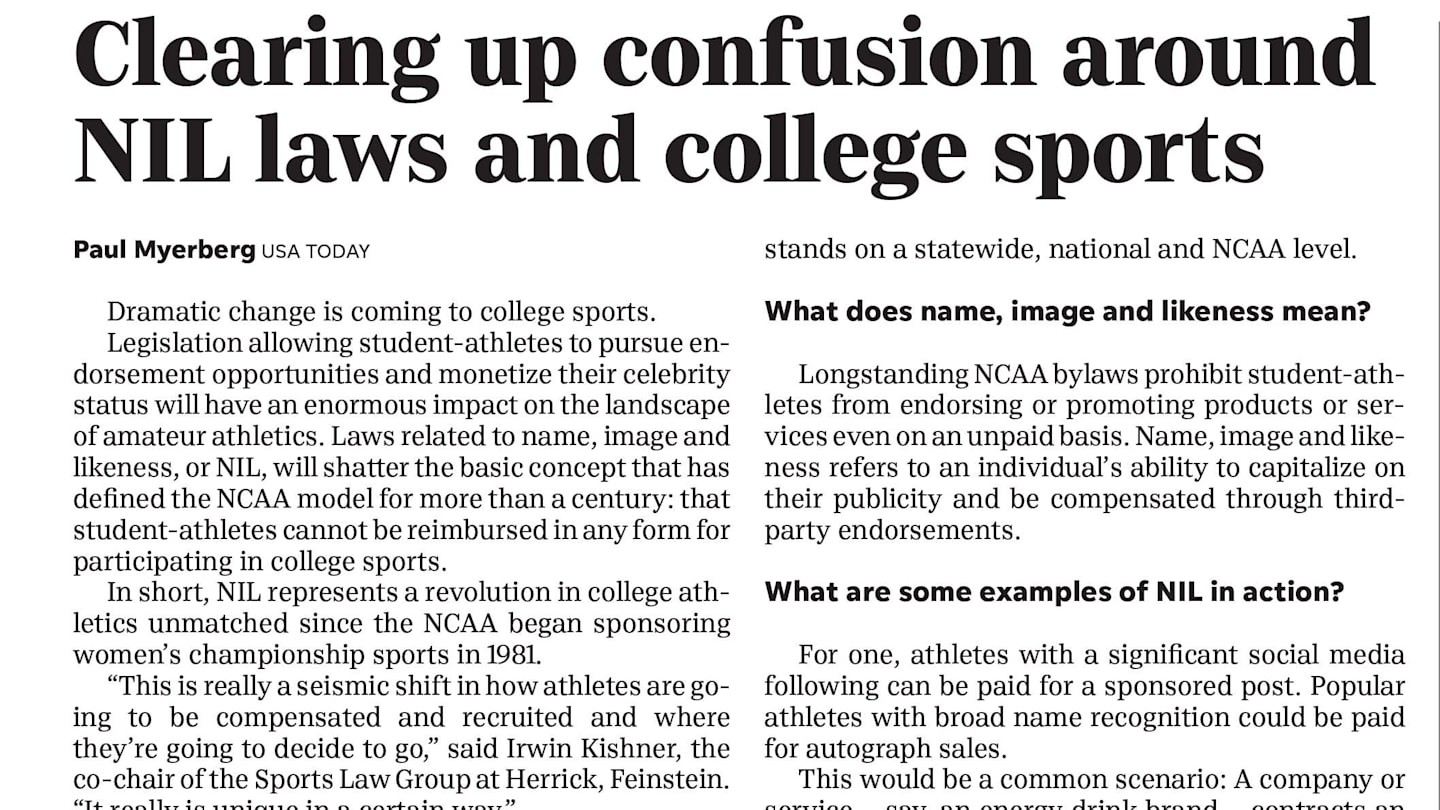
NIL is something college football has talked about for years at this point. Paying players for their name, image and likeness was the right balance to allow these high-profile athletes to receive compensation for their efforts and play during their tenure at their respective universities.
This was completely normal since athletes were already being paid illegally at the time and how much these universities were actually making from their athletes, especially in football. Football is the primary source of revenue for the majority of universities in the country. The NIL represented a big, necessary change to the college sports landscape, but it is far from perfect.
The first issue to address is the lack of a salary cap for teams. This is a big deal because it allows the biggest brand teams to dominate the college football rankings year after year and be able to spend as they please. We’re already seeing a problem with this for conferences and how SEC/BIG10 runs the show.
There have been discussions about how the CFP should just be teams in these conferences, which wouldn’t be fair to the rest of the FBS. One of the main reasons for this is that these teams have resources from alumni and brand marketing to give them the luxury of having more money to spend on players. College football has been a big sporting activity for some time, but it’s finally becoming more in the public eye because of the financial changes these teams have to worry about.
Teams have made personnel changes to adapt to this new ERA of college football, such as team general managers and player personnel assistants, to help alleviate the stress of a specific coach.
This leads to the next problem of these big name teams taking away the majority of top talent from other universities who might not be able to match the offers sent by these blue blood football programs.
It also has to do with college football allowing these players an unlimited number of transfers, so each year is essentially an experiment in free agency on one-year contracts. Teams are frustrated by having to compete with other teams to retain their top talent. It basically feels like some schools/conferences are more like minor leagues that groom these players to be who they become, and then they’re all expected to transfer for more money. This is not good for overall competition in the CFB landscape.
As much as this affects the teams, it also affects the players. These players’ mindsets are now completely out of whack, taking away the love of the game and the prestige of college, which are the first things they should think about when committing to a program. Now the first thing players think about is money and what a college has to offer.
In all discretion, I don’t speak for every player in the country, but this seems like a real issue worth talking about for a good portion of NCAA football (aka Nico Iamaleava). This is a big problem for team morale and team/system continuity, which can also affect player development as a player moves from one team to another.
Other “smaller” programs should start adding into player contracts the length of these deals in the form of NFL contracts and the only way out of these deals should be through buyouts or other reasons that will be incorporated into the contracts.
There should be a cap on the number of transfers, since college experience is usually 4-5 years anyway. It’s been different lately due to the Covid years and other players extending their eligibility. I think it’s coming to an end soon with this period of players who have been deemed eligible for more years of play due to time loss or absence due to COVID. Additionally, just having cap space for these teams in general will help solve many of these issues.
This will help spread the overall competition across the country and thus also help increase the viewership of the sport. The more competitive college football is, the better, which will keep fans connected. The salary cap for teams should be different based on revenue and the conference they play in.
This has been a big topic of discussion since the NIL went live. Many analysts have different opinions on how to solve these problems and there will always be problems to solve since nothing is perfect. The first step was implementation, which the NCAA did, and now it’s time to adapt. Let’s take a look at how the NCAA is taking steps to make the sport even better.
