

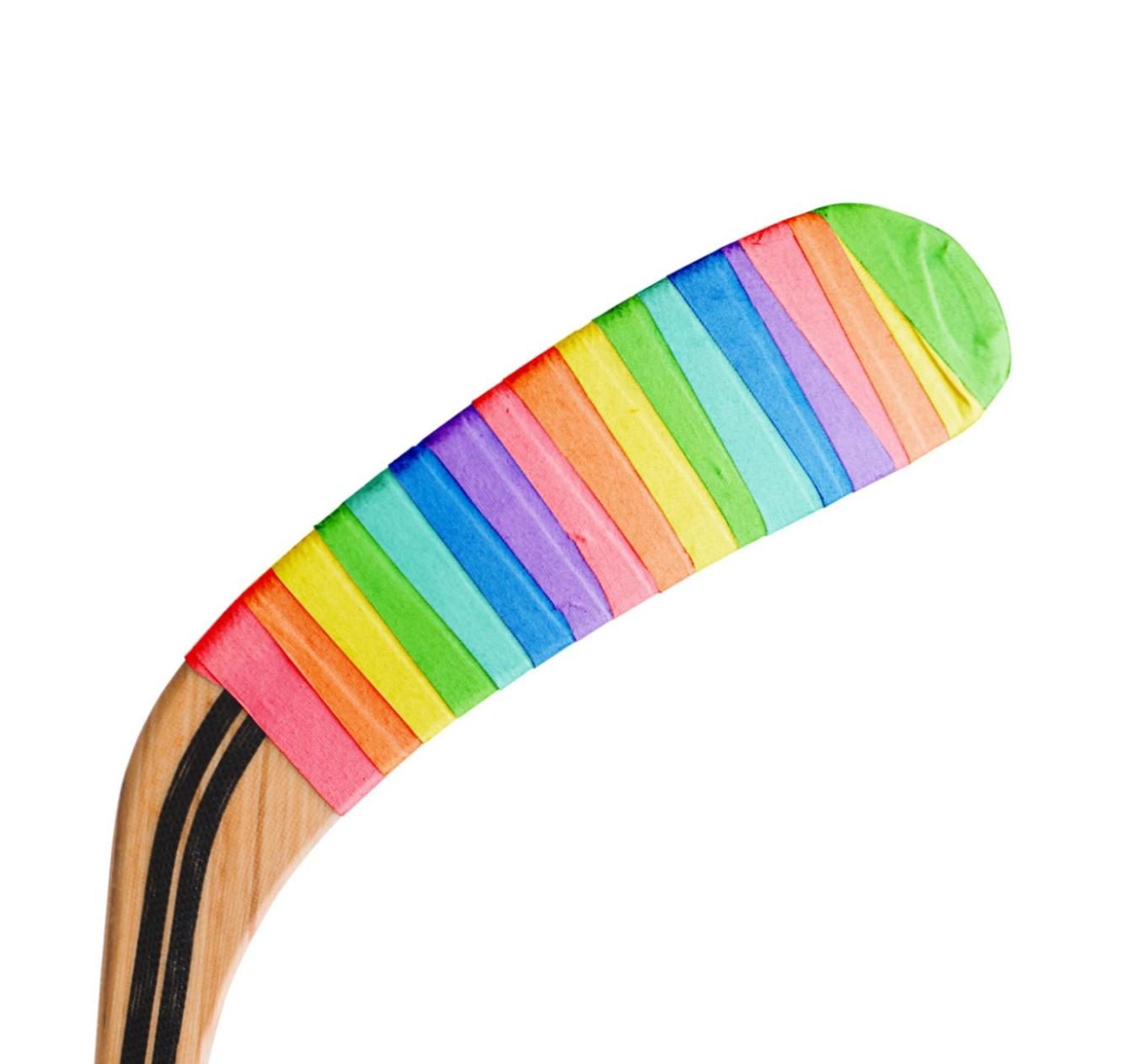
Before the NHL season, the league banned each team’s pride and heritage jerseys. These jerseys have been a staple of celebrations of different cultures and heritages for years, and now those celebrations will be invisible.
Teams can still have these jerseys and merchandise, even if it is no longer possible to publicly recognize these cultures at celebratory events. The jerseys are now only visible in auctions and on social networks.
After much controversy from several NHL teams whose players refused to wear an NHL Pride jersey on Pride Night, these bans were imposed. One of those players was former Philadelphia Flyers player Ivan Provorov, who said wearing the jersey would disrespect his home country of Russia.
The second player was former San Jose Sharks goalie James Reimer, who claimed that wearing a Pride jersey would be against his religious beliefs, and he did not participate in pregame warmups.
Story continues below advertisement
The New York Rangers are reportedly canceling their Pride Night celebrations, although the reason is unknown. It is likely that one or more players refused to wear the jersey. Instead, they canceled the party to avoid a PR disaster, which was still a PR nightmare, but a little better.
Prior to the 2022-23 season, the NHL had banned any use of pride ribbon or other pride-adjacent equipment for use in games. This would result in a fine or additional sanction from the NHL.
Many players have been very outspoken against this ban and subsequent fines, and former NHL general manager and current broadcaster Brian Burke said he would fine all NHL players for using duct tape, including Philadelphia Flyers forward Scott Laughton.
“I will use the tape if I have to buy it myself, I will,” he said.
After this backlash, the NHL would reverse its ban on pride tapes, although theme parties and jerseys would remain banned.
If the refusal of players representing the LGBTQ+ community last season is at the origin of this ban, it is not the only community concerned.
This ban also covers theme nights such as Hispanic Heritage, Native American Heritage, Military Appreciation Night, etc. Not only did these parties bring much-deserved respect and appreciation to the cultures, but many of the jerseys were designed by local artists who were part of these communities.
The NHL will still run a Hockey Fights Cancer initiative and has done a few this season, even though many communities are being left behind due to these bans.
These bans are the result of punishing the wrong groups. The league protects the players rather than the communities that watch it. This is fine in certain situations, although there must be a line that a player or a league cannot cross.
Banning everything for the refusal of one thing is not the right answer; It is unfair that these communities lose this representation because of the lack of will of a few players in the league.
Bans remain and these communities remain underrepresented nationally. The NHL must learn to balance player satisfaction with consumer and fan satisfaction.
In the future, hopefully a compromise will be reached, and these underrepresented communities will get the representation they deserve, and local artists will be able to show off the fantastic work they are doing to support their communities.
