

Despite an outcry from college coachesThe NCAA may have a hard time preventing NBA players who have logged minimal minutes at the professional level from returning to college and playing, legal experts say.
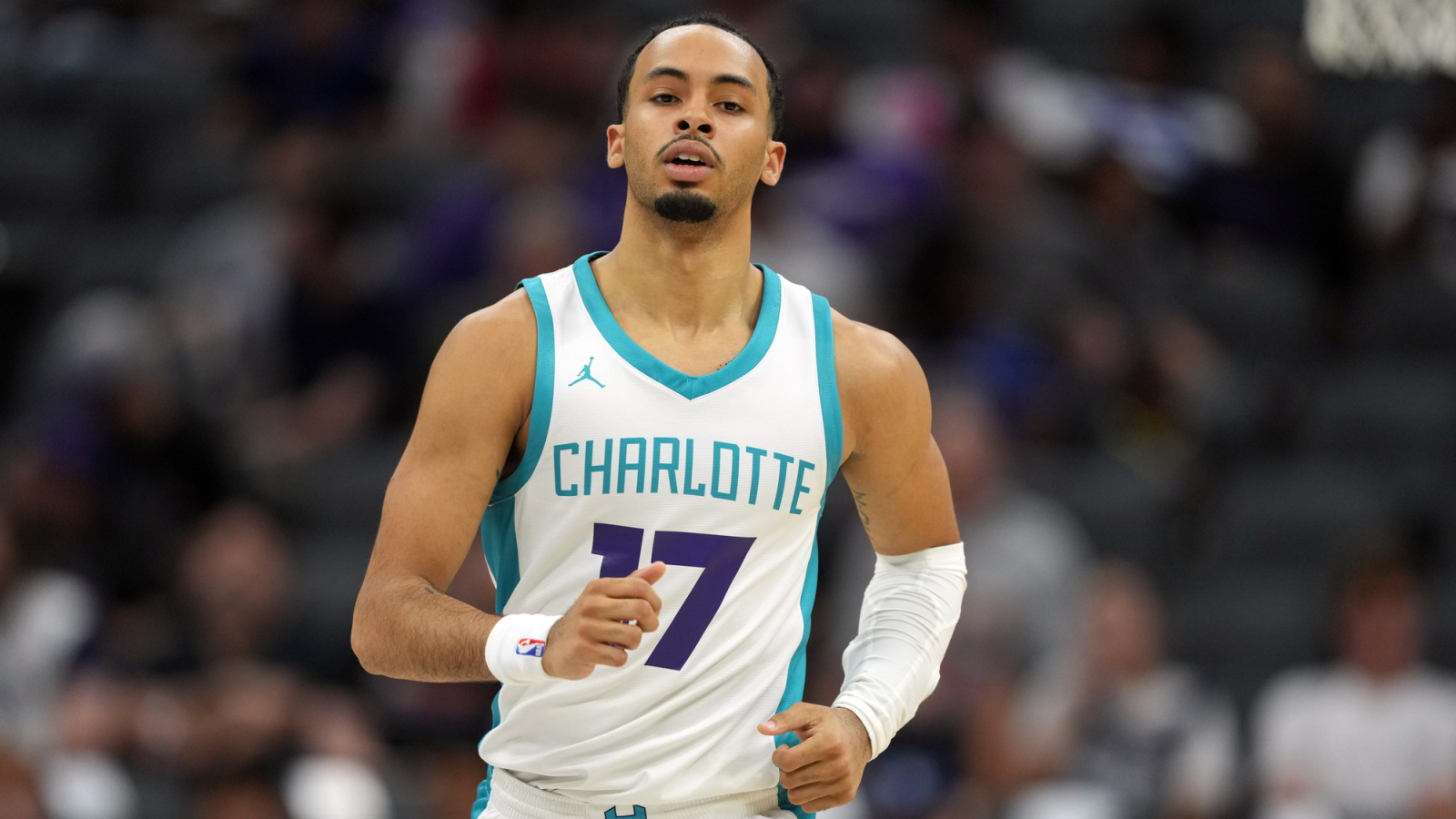
Rumor broke late last month that former Charlotte Hornets guard Amari Bailey, who played one season at UCLAEast try to become the first player to come back to college and play after playing NBA games.
To date, this hot-button NCAA eligibility question has primarily focused on professional players who have competed internationally or in the NBA’s G League. However, Bailey’s attempt to return to the college level puts this topic even more in the spotlight, as he has appeared in 10 NBA games.
Because college athletes now receive direct payments from their schools, a result of last year’s House antitrust settlement, the line has become blurred between professional and amateur players.
While serving as senior vice president of external affairs for the NCAA, Tim Buckley, recently wrote The NCAA “will not grant eligibility to players who have signed an NBA contract,” legal experts say. That may not matter, because NBA players trying to return to college will likely win their cases in court, provided they meet the NCAA’s five-year eligibility window.
Will NBA players be able to return to NCAA college basketball?
Following Bailey’s announcement, attorney Darren Heitnerfounder of Heitner Legal PLLC in Fort Lauderdale, Fla., says many players and agents have contacted him about the issue of former NBA players regaining their college eligibility. Heitner does not represent Bailey.
In an exchange onHeitner noted that “NCAA rules allow players to compete on professional teams, provided that players receive no more than the actual and necessary expenses to compete on the teams. The problem for the NCAA is that the rule has been applied arbitrarily.”
The dilemma for the NCAA is that there isn’t much difference between a professional who plays little in the NBA and an international professional or G League player, legal experts say.
“Pro is pro”, Heitner wrote. “If it really is about the amount of money received, then a hard line on recording an NBA minute or signing an NBA contract is difficult for the NCAA to defend.”
Lawyer Mit Winter with Kennyhertz Perry LLC in Kansas City, Missouri, written the after Bailey’s failed development, “We may soon have a former college player who played in NBA games returning to college. With the waivers the NCAA has previously granted to G League players, foreign pros and a rookie and with the Bediako case as legal precedent, it could be difficult for the NCAA to prevail here.”
Charles Bediako, a center for the elderly in Alabamahad played in the G League, but last month a judge granted him a temporary restraining order this allowed him to return to the Crimson Tide and play in college, at least for now.
