

The college basketball story of the past week hasn’t been the incredible number of quality teams at the top of the polls this season. Instead, everyone focused on Baylor adding James Nnaji to their list.
Nnaji was the 31st overall pick in 2023 NBA Draft — the first pick of the second round — but never signed NBA contract. He appeared in Summer League with the Charlotte Hornets, but opted to stay and play professionally overseas rather than make the jump to the NBA. The arrival of Nnaji caused a sensation, because some legendary coaches decried the state of college hoops this would allow him to be eligible, while Scott Drew defended and detailed his decision to add Nnaji to Matt Norlander of CBS Sports recently.
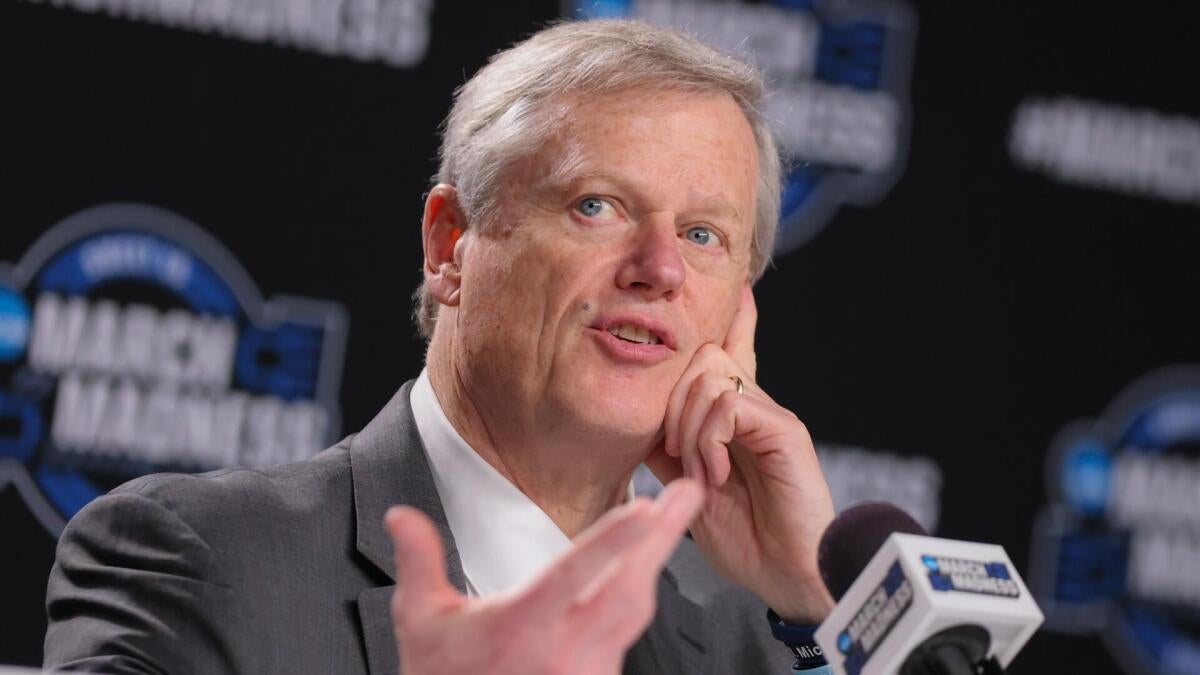
Amid all the outcry, NCAA President Charlie Baker released a statement Tuesday confirming that the NCAA would not allow any player who signed an NBA contract — including a two-way deal — to be eligible for college, while also explaining why the NCAA is not fighting Nnaji’s case.
The NCAA does not and will not grant eligibility to prospective or returning student-athletes who have signed an NBA contract (including a two-way contract). As schools increasingly recruit individuals with experience in international leagues, the NCAA exercises its discretion in enforcing actual and necessary spending regulations to ensure that prospective student-athletes with experience in U.S. basketball leagues are not disadvantaged compared to their international counterparts. The rules have long allowed schools to register and play individuals without prior college experience mid-year.
While the NCAA has prevailed in the vast majority of eligibility-related lawsuits, recent aberrant rulings banning the NCAA, nationally, from enforcing rules that have been in place for decades – without even having a trial – are extremely destabilizing. I will work with DI leadership in the coming weeks to protect college basketball from these misguided attempts to destroy this American institution.
The end of the statement offers insight into why the NCAA has recently weakened its position and been more reluctant to draw some of the hard lines long-time coaches have called for. The NCAA’s big fear is that a lawsuit will completely overturn long-standing rules and the entire structure of the organization. As players become increasingly successful in obtaining injunctions against the organization that allows them to play, the NCAA has been forced to pick its battles more carefully to avoid a disastrous legal outcome.
The real change for college basketball is that it now competes with foreign leagues for talent that otherwise would have remained professional in Europe or elsewhere for financial reasons. Now that players can get paid to play college hoops, more and more players are considering the possibility of coming to the United States before trying to make the jump to the NBA.
With Nnaji being 22 years old and a former No. 31 overall pick, his case stands out from other former foreign pros who have made the move to college ball, but he almost certainly won’t be the last. The NCAA’s real concern is whether a young player who had a brief NBA career and signed a real contract wants to challenge the eligibility rules through the courts. That’s where the NCAA is willing to draw the line for now, but at some point, someone will try to be the first to make that move.
