

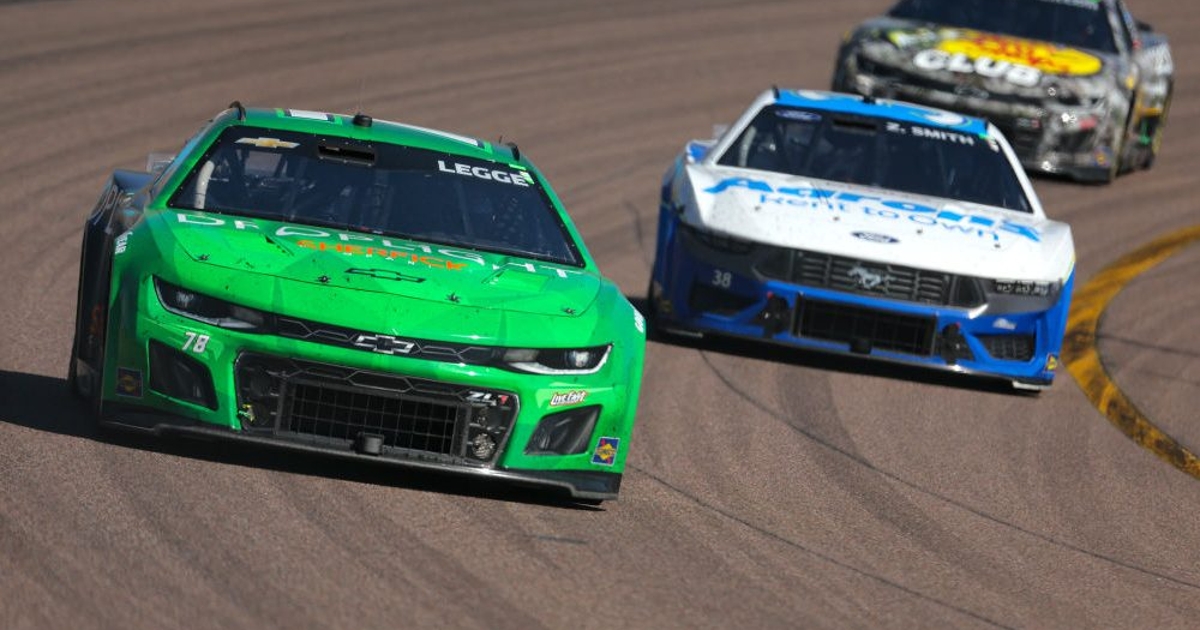
Over the past three seasons, NASCAR Cup Series races have featured some of the biggest names in the world of motorsports.
Raikkonen. Button. Kobayashi. van Gisbergen. Kostecki. Rockenfeller. Castronèves. Legge.
All have done their best at the highest level of NASCAR, with mixed results. But it wasn’t unusual to hear each of them say how difficult it was. Or to hear about the level of competition, the uncompromising racing and the adjustments required to drive a Next Gen car.
On the one hand, it seems flattering to NASCAR that its product is top-notch and that some of the best ever to sit behind a wheel haven’t come along and made the regulars look bad. Well, except for van Gisbergen on the streets of Chicago in 2023, when all the variables fell into his lap.
But on the other hand, maybe it’s not a good thing that some of the best racing drivers face such difficulties when they come to NASCAR. It’s a topic that has been a topic of conversation since Legge made his debut at Phoenix Raceway two weeks ago and picked up Daniel Suarez in an incident.
Suarez wasn’t the only driver to subsequently speak out about NASCAR’s approval process, with which he disagreed more than Legge herself. Suarez argued that Legge was doomed to failure, something that would happen to any driver, good or bad, when taking on one of the toughest series.
There was also something else Suarez said that stood out. He was asked what short tracks a driver should be able to race at, to which the Trackhouse Racing driver revealed that NASCAR doesn’t want to put an inexperienced driver at a place like Bristol Motor Speedway or Martinsville Speedway. These are considered difficult for newcomers to avoid.
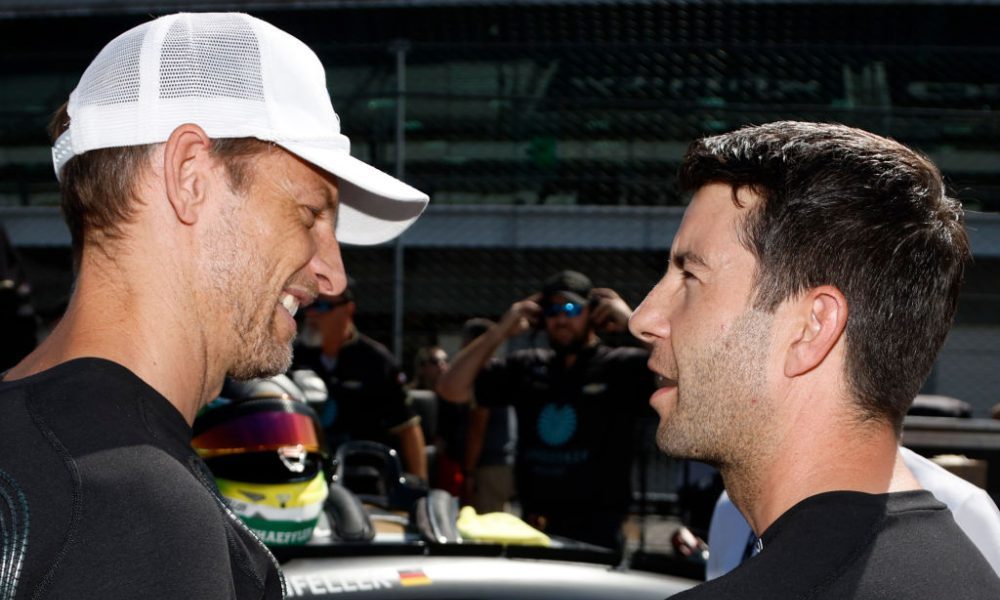
A number of star drivers from other disciplines – such as Jenson Button and Mike Rockenfeller – have had a taste of NASCAR in recent years, but they have been thrown in at the deep end. Sean Gardner/Getty Images
“I told NASCAR, those are my exact words: ‘This is a problem,’” Suarez said. “They shouldn’t think about getting out of the way. That’s not what we want. We don’t want them to get in the way. We want them to be competitive. Let them be competitive.
“That’s the mentality that I think needs to change. If we think that on this track the driver can get out of the way, that’s not the right mentality. We don’t want that. I want them to be competitive, not to get out of the way more easily. So, in my opinion, the preparation to be able to race in the Cup Series has some work to do.”
Bingo.
NASCAR is open to having all drivers come and compete in its series, and no one should have a problem with that. But if NASCAR wants elite drivers to come and compete, they need to be able to compete.
While there’s a lot of debate about the approval process, Kyle Busch outright called it broken this weekend. There also needs to be a discussion about what happens once a pilot is approved and ready to get on track. It is this part of the process that is also a big problem, as Suarez pointed out in his comment on preparation, because 25 minutes of practice followed by a single qualifying round is not enough.
Spending time in simulators is great, but it’s not real life, despite how close teams and manufacturers try to get it. NASCAR does not offer rookie testing in the Cup Series, and teams are no longer allowed to take a driver and test until their hearts are satisfied at any track in the country.
Wasting time on the track has been a recurring topic for years, as the garage can be divided between those who want more practice and those who don’t think it’s necessary. In this case, there should be no debate about the need for more track time or testing.
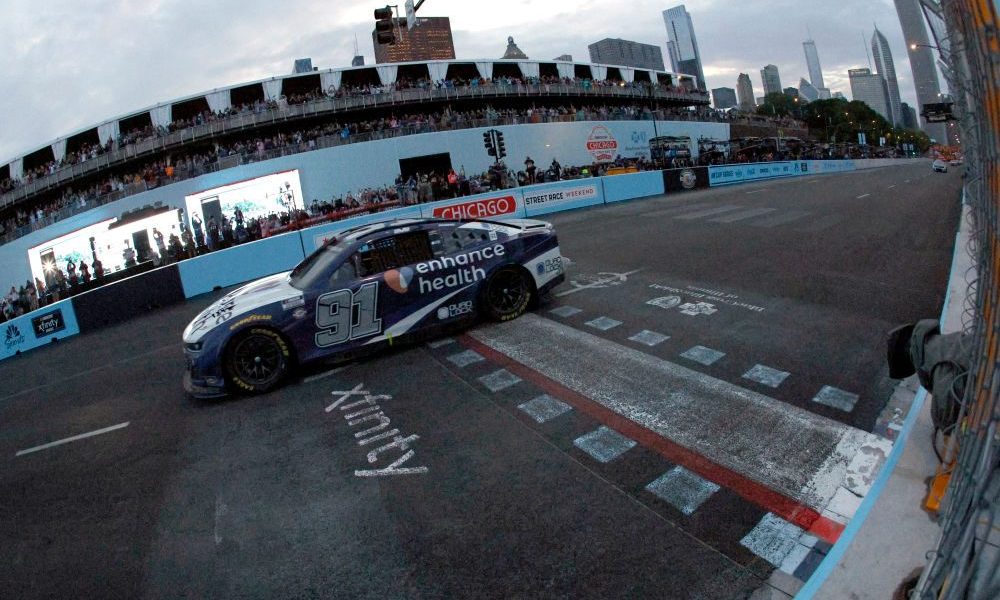
Shane Van Gisbergen was the only outside star to be competitive in his NASCAR debut. Sean Gardner/Getty Images
“That could definitely be a good piece of what we can do with people who want to show up,” Busch said. “Testing is difficult because if we’re talking about the Katherine situation, I don’t know how much extra money there is (for Live Fast Motorsports) to be able to go to Phoenix a week early and do testing.
“But it would obviously be beneficial not only for the team, but also for the driver in this case, to go out there and do some reps, some laps and some seat time. To feel the car and make it more comfortable than probably what it’s been able to do in the short tests that we have.”
“So how it all works, I’m not exactly sure. Whether it’s a four-hour session on Thursday, Friday, or the day before. Something. I think that could definitely be an allowed exemption for some beginners.”
It’s all about track time. But Busch is not the only one to emphasize the financial aspect. Denny Hamlin did the same when asked about the approval process.
“Is there a test that is (added), but who pays for it? » said Hamlin. “Is it NASCAR paying for this or are the teams having to pay for this driver to take a test? I don’t know how it all works but you’d certainly like to see it a little stricter than what it is.”
It’s easy to sit here and waste other people’s time and money, but is there another way to properly get an inexperienced driver up to speed and ready to run a Cup Series race? The series is tough. The car is not easy to drive. Legge even admitted that it wasn’t the same as a GT sports car that others have tried to compare it to, and Legge would know that as someone with sports car experience.
So it’s a difficult series and a difficult car. A driver can always be expected to come in and make waves with no experience in the series or in the car simply because he has an impressive resume in other racing disciplines.
The value of time spent behind the wheel is often linked to the development of young drivers. The same should be true for motorsport’s elite.
