


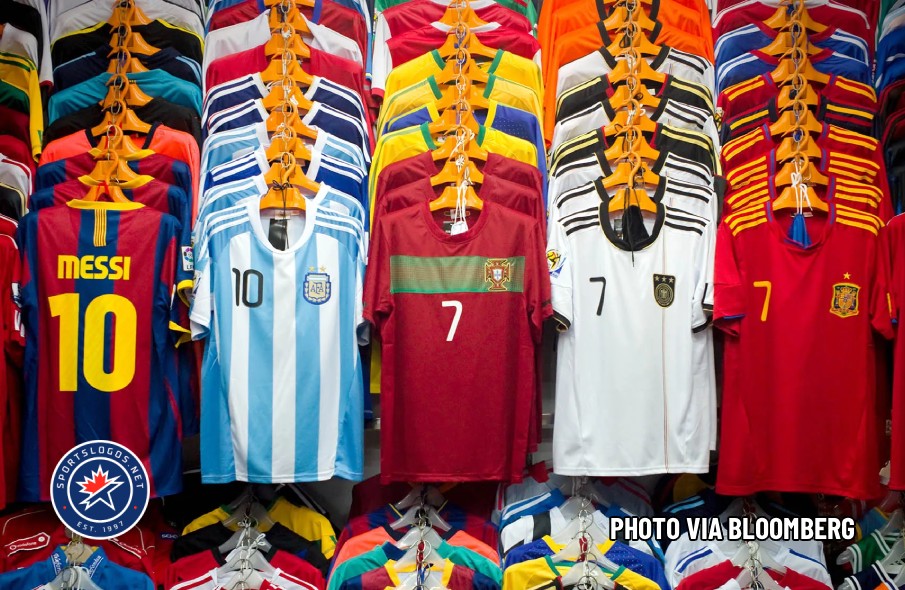
Just when you thought you’d heard all the arguments against counterfeit jerseys, British authorities added a whole new one: they could be dangerous to your health.
As the Christmas season gathers pace and club kits top the wish lists of many football-mad children, parents may consider knockoffs as a cost-effective alternative in an era of rising costs and inflation. But according to a BBC article published last week, UK health officials issued a warning that “substandard materials” used to make counterfeit jerseys could be harmful.
“We just don’t know what’s in these kits – they could pose a health risk,” said Louise Baxter-Scott, an official at the Trading standardslocal authority services that enforce consumer protection legislation in the United Kingdom. “They are poor quality but appear legitimate, and the pressure of Christmas, together with the rising cost of living, is creating greater consumer vulnerability and pushing them towards a cheaper alternative.”
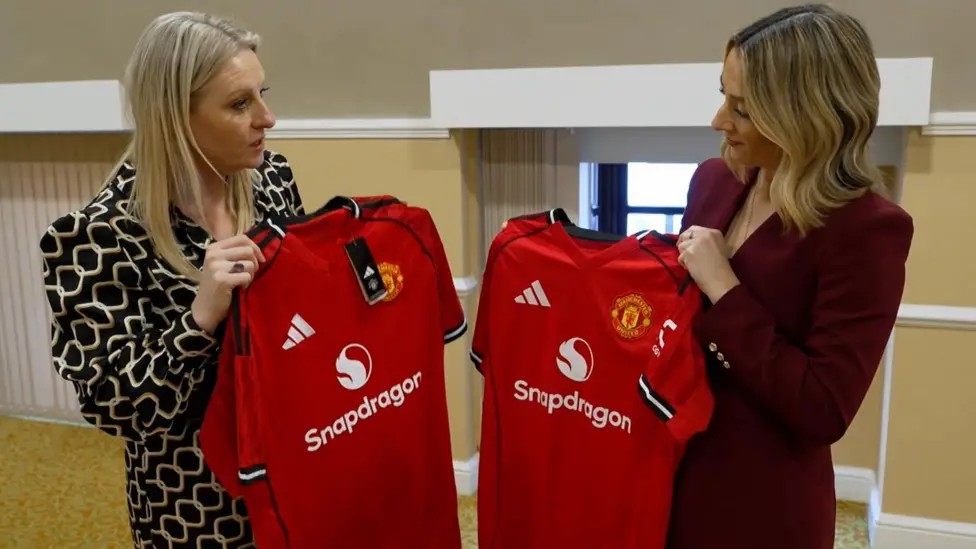
Chloé Long, deputy general director of Anti-counterfeiting groupspent much of his career tracking down counterfeit football jerseys and tracking the supply chain to factories in China. She told the BBC that given the lack of safety regulations in these factories, toxins or harmful dyes could be used to make them, which could cause irritation.
“It’s very difficult to know in retrospect what was put into the product, but you can see in some cases they could be harmful,” Long said. “And they don’t follow any regulations. They’re not bound by the same laws and regulations as the real manufacturers.”
She added that the only thing that motivates counterfeiters is money.
“Whatever they can find to make it as close to reality as possible, they will do it,” she said. “So you don’t know what might happen when you put this in the washing machine with other products and, especially if you’re buying it for kids, it’s just not a risk you should take.”
According to the same BBC article, the price of an adult men’s Premier League jersey can vary between £60 and £85 (US$80-112), and can even cost up to £120 (US$158) with names, numbers and badges printed. But counterfeit shirts are being sold online for as little as £12 (US$16).
The BBC approached several fans outside a recent Premier League match, and almost all of them said they had bought a kit they knew was fake.
“It’s so simple,” said a fan in his 20s. “Why would you spend £120 when you could get it for £20-25? And especially for people in my age group who might not have a lot of money.”
Cost was also a factor for a fan with two young sons. “If you buy the original brands, I think we can now get to between £70 and £80, even for a children’s brand,” he told the BBC. “But we had a bad experience recently (with a fake) in terms of quality. It lasted for a day.”
In addition to the health risks, the Anti-Counterfeiting Group also warns that buyers of fake kits could also give their personal and banking information to organized crime groups.
Buying counterfeit kits is not illegal in the UK, but selling them is. A conviction carries a prison sentence of up to 10 years and an “unlimited fine.” In May 2024, a man convicted of selling fake kits was ordered to repay more than £118,000 (US$150,000) or risk prison.
The Premier League told the BBC that its own anti-counterfeiting efforts resulted in the seizure of 1.1 million fake kits – worth more than £70 million (US$92.6 million) – between 2020 and 2025 and helped remove more than a million online adverts.
